Family caregivers in Switzerland: importance, challenges and the need for regulations
17 June 2026 | Comment(s) |
Benoît Michellod
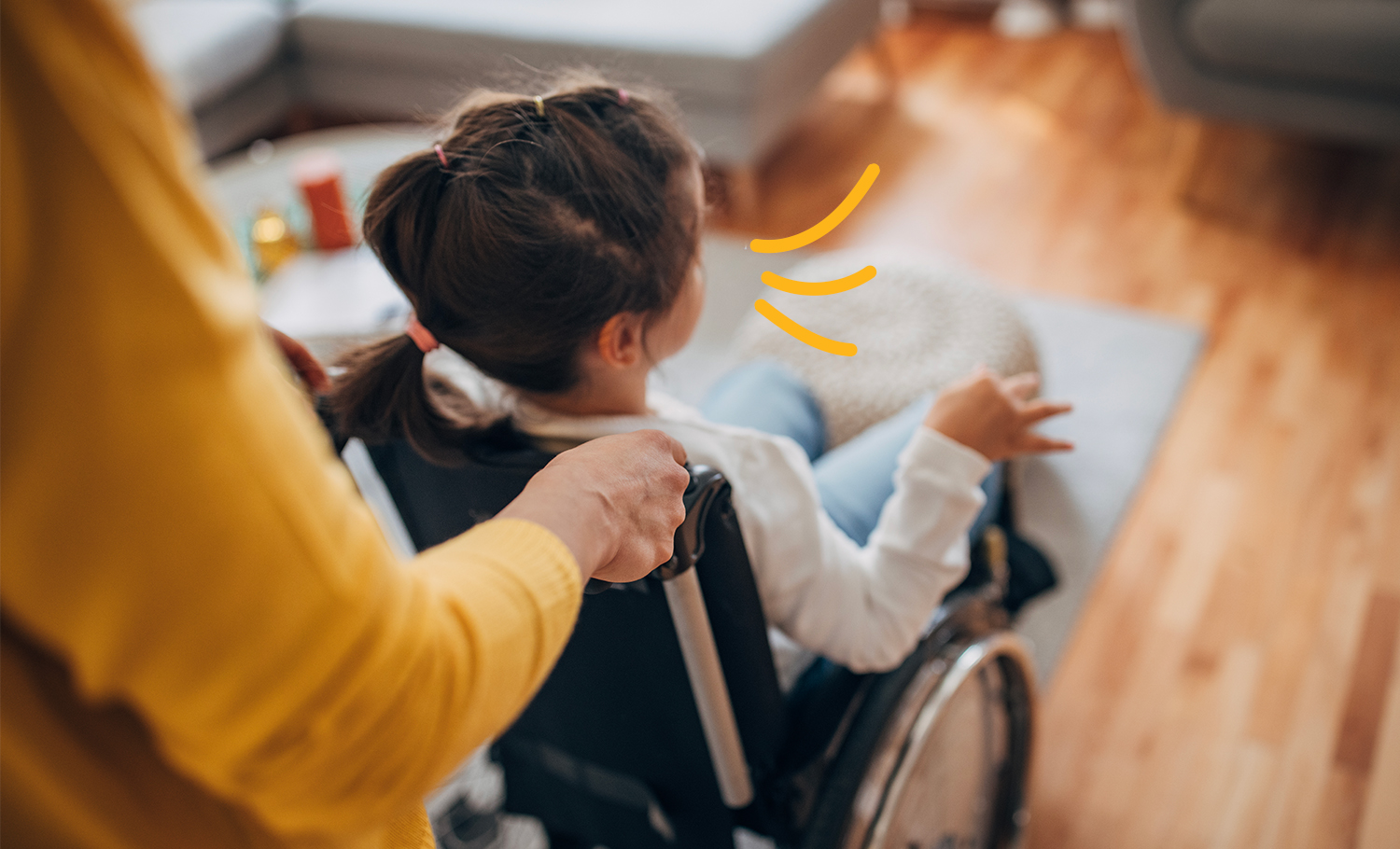
Family caregivers are a cornerstone of the Swiss healthcare system. Without their daily dedication, it would be almost impossible to provide care for many people who rely on support. Yet despite their essential role, there is often a lack of clear guidelines – resulting in tangible consequences for caregivers, insured persons and the system as a whole.
The everyday reality of family caregivers
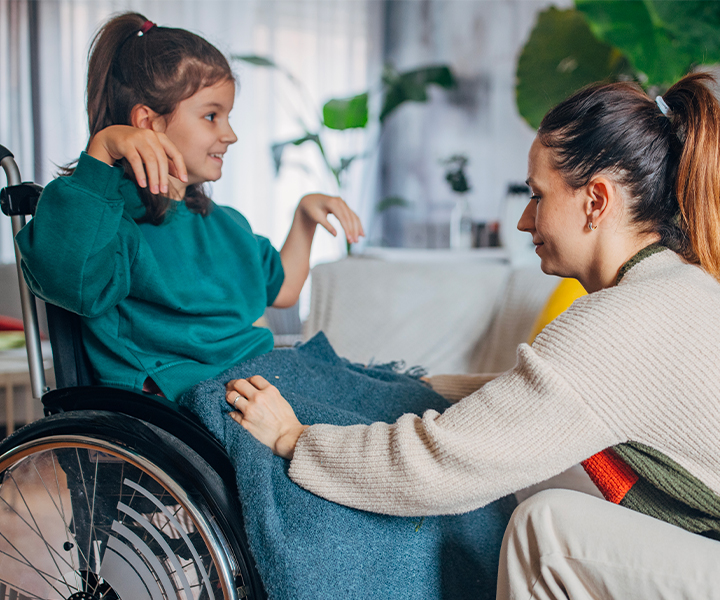
Marie-Thérèse is one of thousands of family caregivers in Switzerland. She looks after her husband every day: she helps him to get dressed, assisting with his personal hygiene and ensuring he takes his medication. These are tasks that require time, energy and emotional resilience – often without any formal training.
This example shows that family caregiving is not a marginal phenomenon, but an essential part of basic care provision.
Reimbursement by Spitex home care organisations: opportunities and risks
Following a ruling by the Federal Supreme Court in 2019, Spitex organisations are now permitted to employ untrained relatives to provide basic care and bill for this through compulsory health insurance (AOS/OKP). This regulation has brought several advantages:
- financial relief for family caregivers
- better integration into the formal care system
- recognition of caregiving work
Criticism of the current system: key issues
Despite the positive aspects, there are clear weaknesses in the system:
High profit margins for agencies
The hourly rate for basic care is around CHF 52.60. However, family carers typically only receive CHF 30 to 35 francs per hour. The difference goes to the agencies.
A key concern: a significant proportion of the funds – financed by insurance premiums and tax payers – does not go to the caregivers themselves.
Aggressive recruitment practices
Some companies use targeted marketing strategies to recruit new family caregivers. Media reports even highlight cases where people were contacted directly after purchasing care products.
This raises concerns regarding:
- data protection
- ethical standards
- the reliability of some individual service providers
Lack of clear regulations
The current system offers too much leeway:
- no uniform quality standards
- unclear definition of services reimbursed
-varying cantonal practices
Consequence: the trust in the system is declining – and in the long term, the financial sustainability of compulsory health insurance is at risk.

Political developments: towards stronger regulations
The good news is that the Swiss authorities are working on a stricter legal framework. Proposed measures include:
- Clear definition of reimbursable care services
Which tasks can relatives bill for? - Creation of a specific status for family caregivers
With adjusted reimbursement rates - Binding quality standards for home care organisations
Stronger oversight and accreditation requirements - Regional restrictions on service providers
Prevention of unregulated growth in the market - Separate billing of services by relatives
Greater transparency regarding costs
Why clear framework conditions are crucial
A well-regulated system does not mean less appreciation – on the contrary: It ensures:
- fair remuneration
- higher quality of care
- sustainable funding
- greater trust among insured persons
Conclusion: a balance between recognition and oversight
Family caregivers are indispensable. But without clear rules, there is a risk that financial interests will take precedence and the system will become unbalanced.
An intelligent, well-thought-out legal framework is therefore crucial: it protects carers, enhances the quality of care and secures the future of the Swiss healthcare system.