Spring allergies: how to identify pollens and relieve symptoms
03 March 2026 | Comment(s) |
Christelle Travelletti
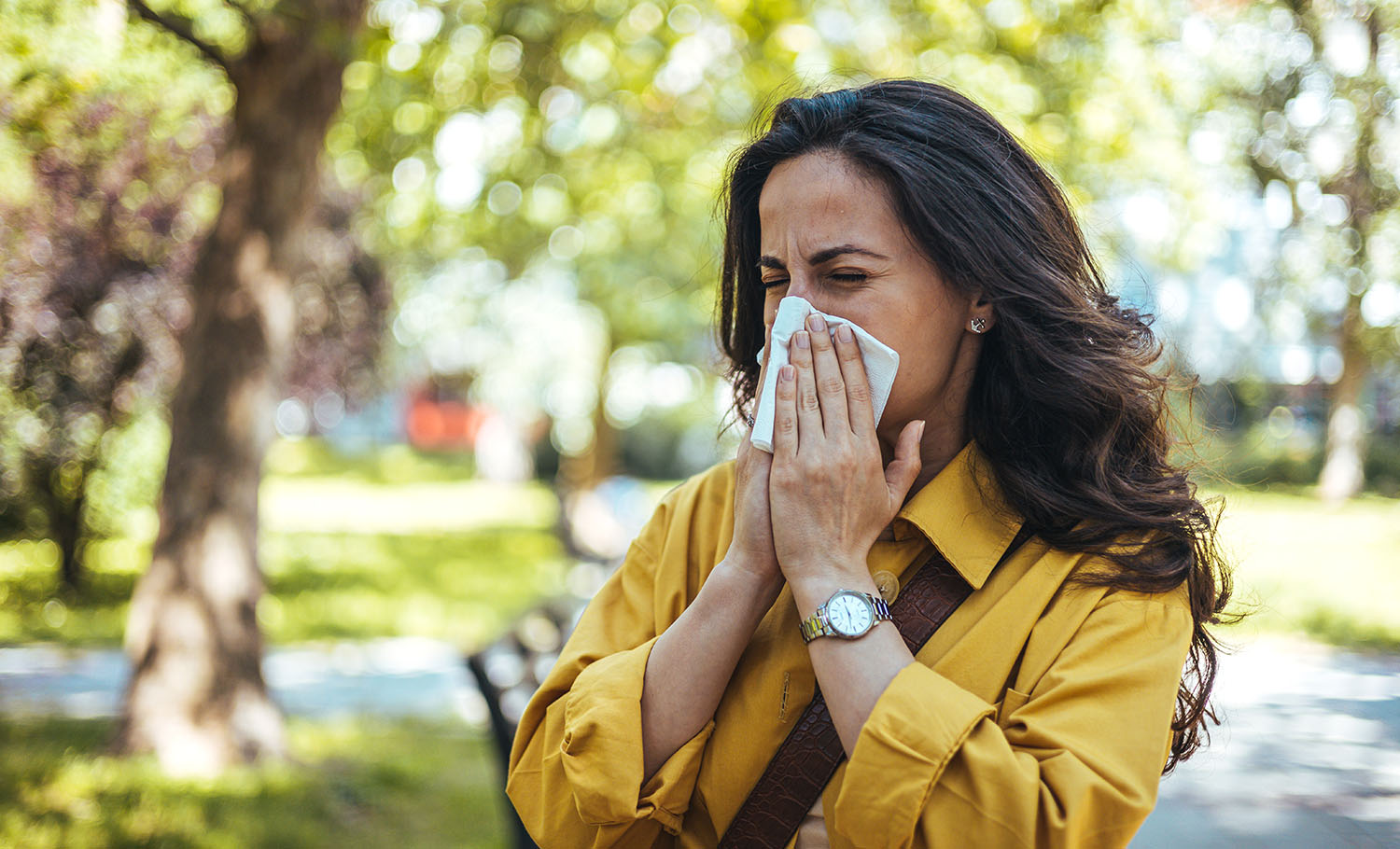
With the return of sunny days and the arrival of spring, nature awakens... and sometimes so do allergies such as hay fever. As trees, grasses and plants begin to release their pollen, many people suffer from sneezing, irritated eyes or nasal congestion.
To better cope with spring allergies, it is helpful to understand what types of pollen are in the air throughout the months, what symptoms may appear, and what solutions, whether natural or medicinal, can help restore comfort and peace of mind.
When does allergy season really start?
The pollen season varies from region to region, but in general, in Switzerland as in Europe, it begins in late February or early March with the first tree pollens. Spring is one of the most intense periods due to the simultaneous flowering of many species.
The allergy calendar: month by month
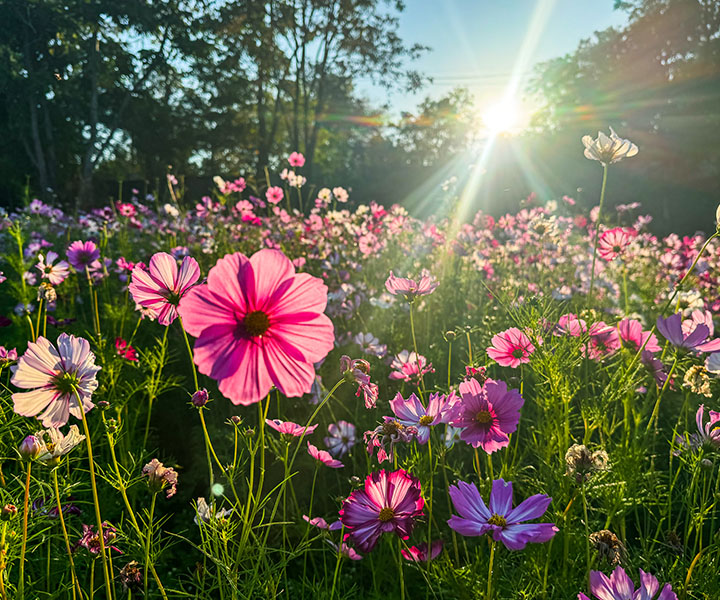
February–April: tree pollen
- Alder
- Hazel
- Birch (highly allergenic)
- Ash
It is often during this period that the first spring allergies appear in the form of rhinitis (runny nose). March is the month when birch pollen, which is responsible for very common allergies, reaches its peak.
April–July: grasses
Grasses include the weeds found in meadows, parks, roadsides, etc.
They are among the most powerful and widespread allergens:
- Sweet vernal grass
- Cocksfoot
- Timothy grass
- Ryegrass
Allergy peak: May and June.
May–September: grasses (or "wild flowering plants")
- Mugwort
- Goosefoot (often found near inhabited areas)
- Nettle (although used as a remedy, its pollen can cause allergies)
- Ragweed (especially in late summer and early autumn)
Ragweed is particularly problematic: it can trigger severe attacks even at very low concentrations.
Classic symptoms of spring allergies
Pollen allergies can affect the eyes, nose, throat and even the bronchial tubes.
- Eye symptoms: itching, redness, watering, sensitivity to light
- Nasal symptoms: runny nose (rhinitis) or blocked nose, repeated sneezing, tingling
- Respiratory symptoms: dry cough, wheezing, shortness of breath (allergic asthma)
- General symptoms: fatigue, irritability, sleep disturbances
If spring allergy symptoms become severe or last for a long time, it is recommended that you consult your doctor.
What are some solutions for relieving spring allergies?
Natural solutions
- Nasal irrigation (saline solution): very effective for "rinsing" away pollen and reducing inflammation
- Anti-inflammatory herbal teas: nettle, chamomile, rooibos
- Local honey (consumed regularly): may help some people reduce their sensitivity to pollen
- Quercetin: found in onions and apples, this is a natural antioxidant that stabilises allergic reactions
- Air purifier: reduces the concentration of pollen indoors
- Prevention techniques: air rooms early in the morning or late at night, wash your hair in the evening, avoid drying laundry outside during periods of high pollen concentration

Medicinal solutions
- Antihistamines: available in tablet or drop form. They reduce itching, sneezing and runny nose
- Anti-allergy eye drops: for red and irritated eyes
- Corticosteroid nasal spray: very effective for persistent symptoms
- Allergen desensitisation: a long-term solution to permanently reduce sensitivity to a particular pollen. This is carried out over several years under the supervision of an allergist.
CAUTION: Always seek advice from a doctor or pharmacist before starting treatment.
In summary
- March marks the start of the spring allergy season with tree pollen, particularly birch pollen.
- Grasses take over in April and dominate until July.
- Herbaceous plants continue until September, with ragweed peaking at the end of summer.
- There are many natural remedies available to reduce symptoms, and several medications offer effective relief.