Prevention of musculoskeletal disorders: what role can exoskeletons play?
05 May 2026 | Comment(s) |
Martin Kamber
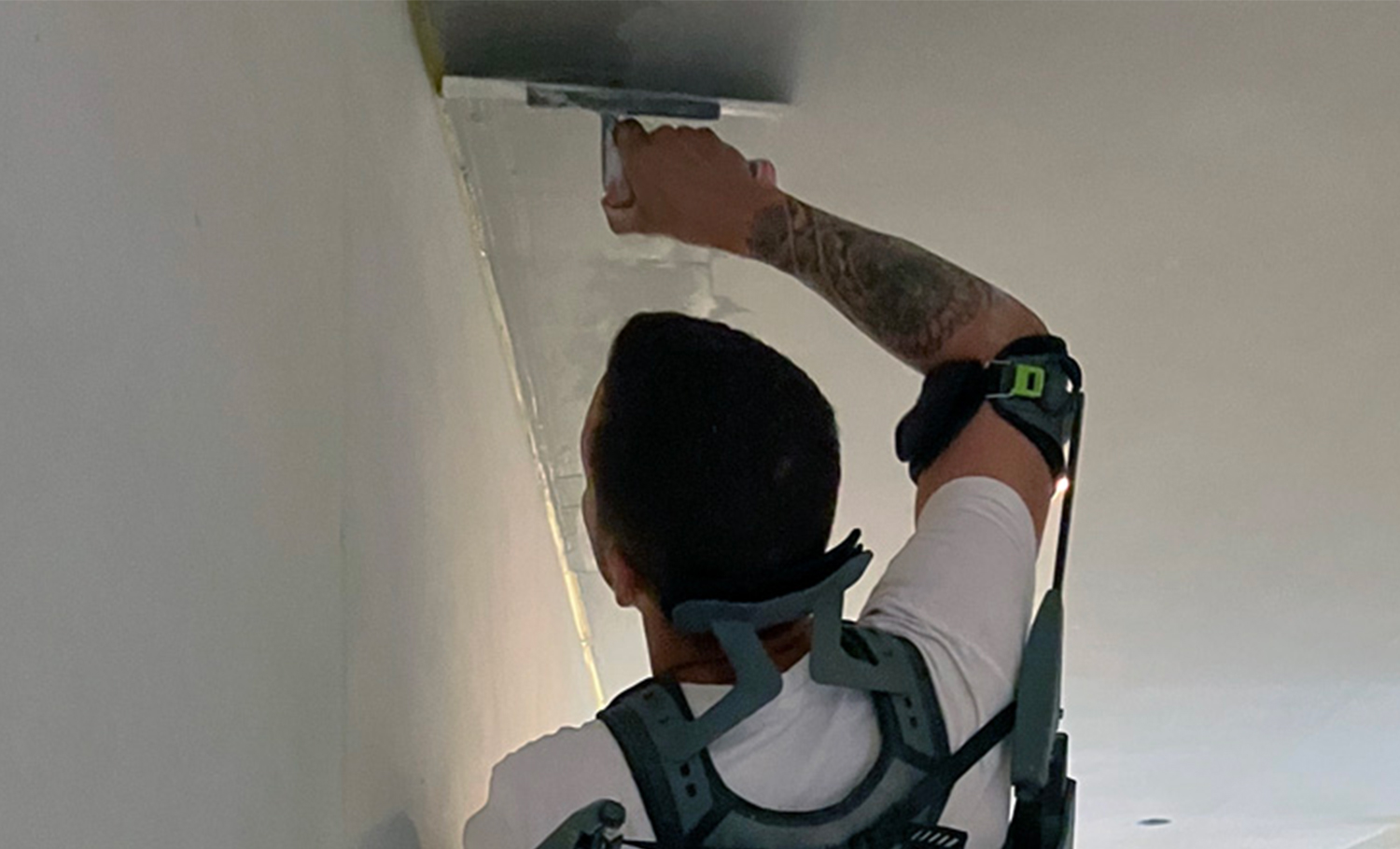
Musculoskeletal disorders (MSDs) account for at least 30% of absence-related costs in companies. This overview explores a major public health issue, with insights from Claire Bauduin, ergonomist and Corporate Health Management (CHM) specialist at Groupe Mutuel.
According to the Federal Statistical Office, 45% of the working population were at risk of musculoskeletal disorders (MSDs) in 2019. A On average, employees are absent for 1.3 days per year due to MSDs, and the macroeconomic cost of MSDs for Switzerland has been estimated at no less than 5.5 billion Swiss francs. According to the European Working Conditions Survey (EWCS), 35.5% of Swiss people have suffered from back problems in the last 12 months, while 31.8% experienced muscle pain in the shoulders, neck and upper limbs. For Claire Bauduin, a qualified ergonomist, the conclusion is clear: introducing an exoskeleton only makes sense if it forms part of a comprehensive prevention strategy based on an ergonomics analysis of real-life working conditions. Workstation design, work organisation, operating procedures and training remain key priorities.
What are musculoskeletal disorders (MSDs)?
Musculoskeletal disorders (MSDs) are conditions affecting the musculoskeletal system, including the soft tissues surrounding the joints, tendons, muscles and nerves. Work-related factors can play a significant role in the onset or aggravation of MSDs, particularly when work organisation involves physical constraints such as repetitive movements, prolonged static postures, excessive physical effort or the handling of heavy loads. Psychosocial factors may also contribute, including time pressure, limited autonomy, high workloads or a lack of support. Finally, individual factors should not be overlooked. Age, medical history, lifestyle, and work habits can all influence the development and progression of musculoskeletal disorders.
Is the prevalence of musculoskeletal disorders significant?
Yes. Musculoskeletal disorders account for around 30% of all work-related health costs currently recorded. They therefore represent not only an individual health issue, but also a major public health concern, with a substantial financial impact on businesses. In Switzerland alone, the annual cost is estimated at no less than 5.5 billion Swiss francs. Moreover, these conditions can affect anyone, regardless of profession or sector.

“It is by implementing technical, organisational and human measures that the prevention of MSDs will be effective.”
Claire Bauduin, ergonomist and Corporate Health Management (CHM) specialist at Groupe Mutuel.
In this context, why has Groupe Mutuel has taken a particular interest in the plasterer-painter profession?
The initiative arose from discussions with one of our clients, the Vaud Federation of Contractors (FVE). The FVE had observed a particularly high level of absenteeism linked to musculoskeletal disorders in this sector and the trades it represents. The conditions most frequently reported affect the shoulders and the back. These observations led to the launch of a research project focusing on exoskeletons, built around a central question: can the use of exoskeletons help reduce the incidence of musculoskeletal disorders?

The idea for the research project arose from discussions with a client, the Vaud Federation of Contractors (FVE).
What is an exoskeleton?
An exoskeleton is an external structure worn on the body, somewhat like a backpack, designed to partially take over the physical effort normally exerted by the musculoskeletal system. There are two main types of exoskeletons: passive exoskeletons, which use springs and elastic bands and are minimally invasive; and active exoskeletons, which are powered by motors and operate using electrical, hydraulic or pneumatic systems. However, both types have their own constraints and limitations, which in turn can create new risks. Passive exoskeletons are the most commonly used and implemented in workplaces. That said, they are not the sole solution to be prioritised for reducing the incidence of MSDs. In the case of our study on plasterers and painters, we realised that the system is not compatible with a number of activities. Furthermore, the feedback from those who used them was not always positive either. We do not yet have sufficient hindsight to make a definitive judgement on the effectiveness of exoskeletons in preventing MSDs.
So are exoskeletons only one preventive measure among others?
Yes, absolutely. The first step is to analyse work situations as a whole in order to identify risk factors. Once these have been identified, targeted actions can be implemented. It is by implementing technical measures (work tools, handling aids, etc.), organisational measures (preparing the workstation, rotating tasks throughout the working day, clearly communicating the tasks to be carried out, etc.) and human measures (staff training) that the prevention of MSDs will be effective. It is within this context of a comprehensive analysis that a recommendation to use an exoskeleton will, or will not, be made. Given the complexity of MSD prevention, companies should not hesitate to seek support from the relevant specialists.