Ski accidents: how to ski safely on the slopes
23 February 2026 | Comment(s) |
Lisa Flückiger
.jpg/lang:en/-Blog-Article-Head (fc0f2db5-ddb3-43fb-91d7-1903a7117828).jpg)
Around 3.5 million snow sports enthusiasts enjoy themselves in the Swiss mountains every winter. However, many accidents also happen. Martin Romang, a qualified ski instructor and prevention expert at Groupe Mutuel, tells us how to stay safe on the slopes.
How often do accidents happen on the ski slopes?
Martin Romang: 60,000 skiers and snowboarders are injured every year in the Swiss mountains. Such accidents are not only painful, but also expensive. An average skiing accident costs around CHF 9,000, almost twice as much as a normal accident. In addition, there are often long periods of incapacity for work and complex injuries. Skiing in particular involves high speeds, which can cause injuries that are more serious and expensive than in many other sports. That's why prevention is so important.
How do these accidents happen?
90 per cent of all accidents are self-inflicted. Many people overestimate their abilities, ski too fast or are physically overwhelmed. The heavily frequented slopes also contribute to the risk of accidents. The more crowded it is, the more unpredictable the behaviour of others becomes.
What are the most common injuries?
.jpg/lang:en/-Blog-Article-Bloc (23da5ac6-7d76-497a-9ff7-8764a9672d21).jpg)
Knee injuries (30-40%) are most common in skiing, while snowboarding most commonly affects the forearms/wrists. Shoulder and head injuries are also common in snow sports, with people over the age of 45 who are out of shape being particularly at risk. Unfortunately, an average of five people die on the slopes every year.
So what basic rules should you follow?
Consideration and awareness are crucial. Before setting off, you should check what is happening around you, not stop directly behind bumps, ski at the side of the slope and adjust your speed to the conditions. It's not just about protecting others, but above all yourself. And, of course, you should always follow the rules of the International Ski and Snowboard Federation (FIS).
How can you ski safely despite crowded slopes?
One option is to get up early, avoid rush hours and choose alternative routes. Otherwise, reduce your speed, keep your distance and take a quick look over your shoulder when turning to see the whole slope.
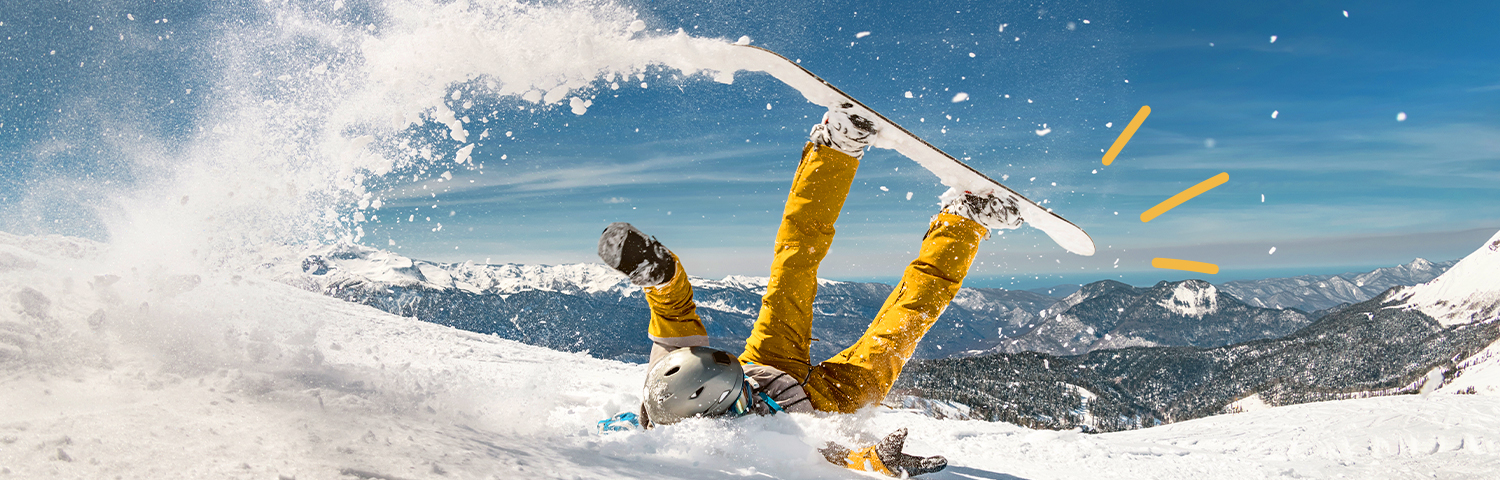
People often skip the warm-up. How important is it to activate your muscles beforehand?
As with any sport, if you don't warm up your muscles, you risk straining them. Cold muscles are particularly vulnerable when you need to react quickly. However, I think physical fitness is even more important than warming up itself. If you are physically prepared, you have the best foundation for avoiding falls and injuries
What are the best exercises to prepare for skiing?
All exercises that strengthen the leg, gluteal and back muscles are important. There are a variety of exercises for this, such as squats, lunges, one-legged exercises, planks and many more. Light endurance training is also recommended as a supplement. The most important thing is to do the exercises regularly for at least six to eight weeks beforehand.
What role does the right equipment play?
With today's speeds on the slopes, having the right equipment is very important. Those who do not wear a helmet risk serious head injuries. Skis with sharp edges, a well-maintained base and correctly adjusted fittings ensure better control and protect against accidents. It is important to choose skis that match your own abilities. Wrist guards for snowboarders and back protectors for higher risks, such as in snow parks, are also very useful.
How can parents prepare their children for the slopes?
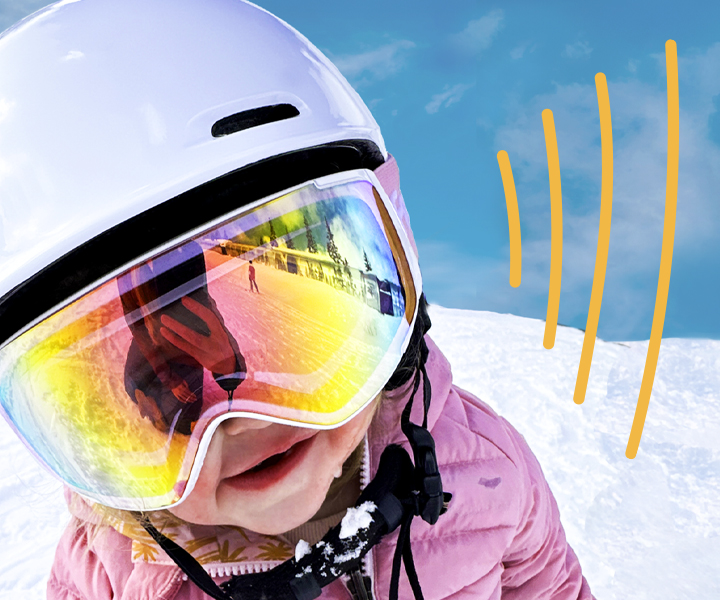
Children should learn through play and gradually progress to larger ski lifts. Ski lessons teach technique, balance and safety. Small ski parks are perfect before children move on to larger slopes. Children are often fitter and more supple than adults, but it is still important to introduce them to difficult slopes slowly.
What is the correct response if, despite all precautions, an accident occurs?
It is important to remain calm, secure the accident site and warn others. Then help the person involved and call for help if necessary.
Your conclusion for safe skiing?
Be considerate of others and adjust your speed to your own ability. It is better to ski defensively and take an extra look over your shoulder and brake. If you follow these basic rules, you will avoid most accidents.